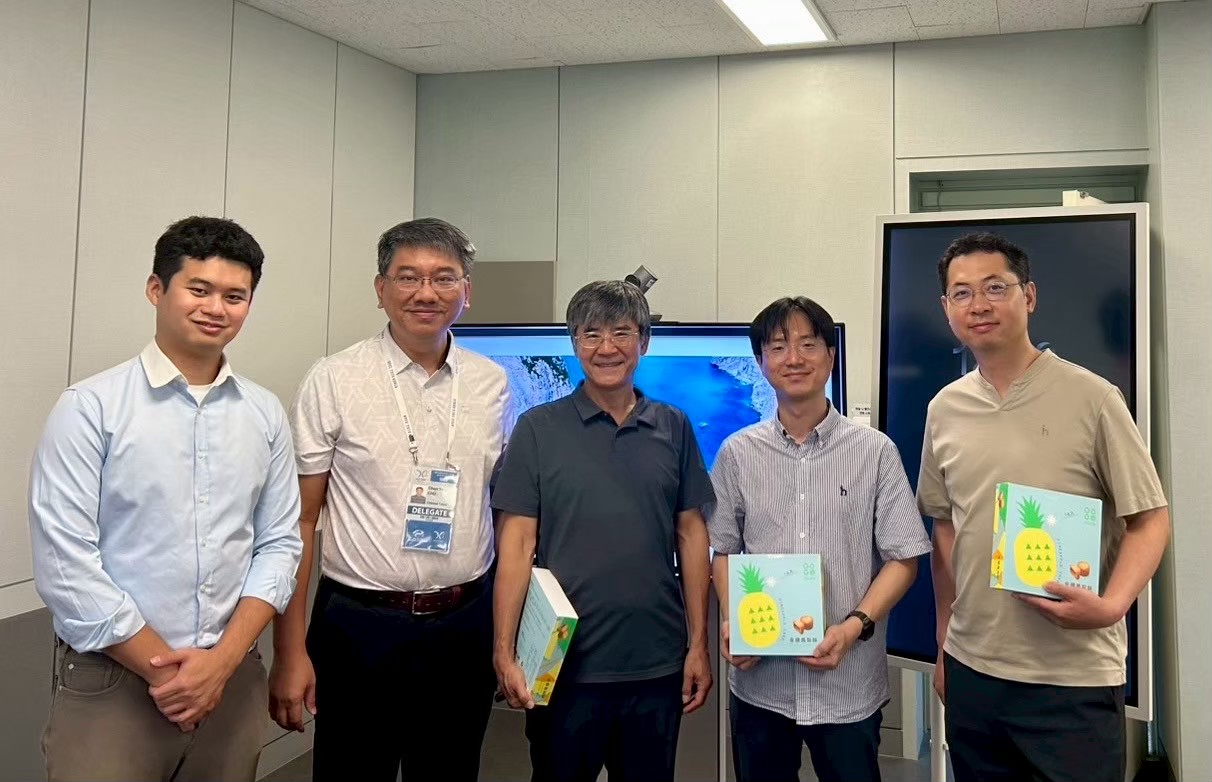
From August 11 to 13, 2025, the ACABT delegation played a pivotal role at the 26th APEC Policy Partnership on Science, Technology, and Innovation (PPSTI 26) meeting held at the Songdo ConvexiA in Incheon, Korea. As a permanent specialized body under APEC, ACABT’s participation was instrumental in showcasing the leadership in and commitment to fostering regional STI collaboration.
During the Sub-group A: Building Science Capacity session, ACABT’s Executive Secretary, Dr. Cheng-Yung Chu, and Project Manager, Mr. Michael LIU, delivered a comprehensive annual work report. The presentation highlighted ACABT’s success in expanding its international research network and its continuous efforts in professional talent cultivation across APEC economies. By leveraging its collaborative platform, ACABT has successfully bridged the gap between academic research and practical policy application, ensuring that scientific advancements translate into tangible regional benefits.
The successful participation in PPSTI 26 underscores ACABT’s influential role in the APEC scientific community. ACABT remains dedicated to mobilizing the green STI of APEC member economies to write a new chapter of sustainable development. Through continued excellence in research and proactive science diplomacy, ACABT will lead the way in ensuring that the APEC region remains a global leader in the transition to a net-zero future.
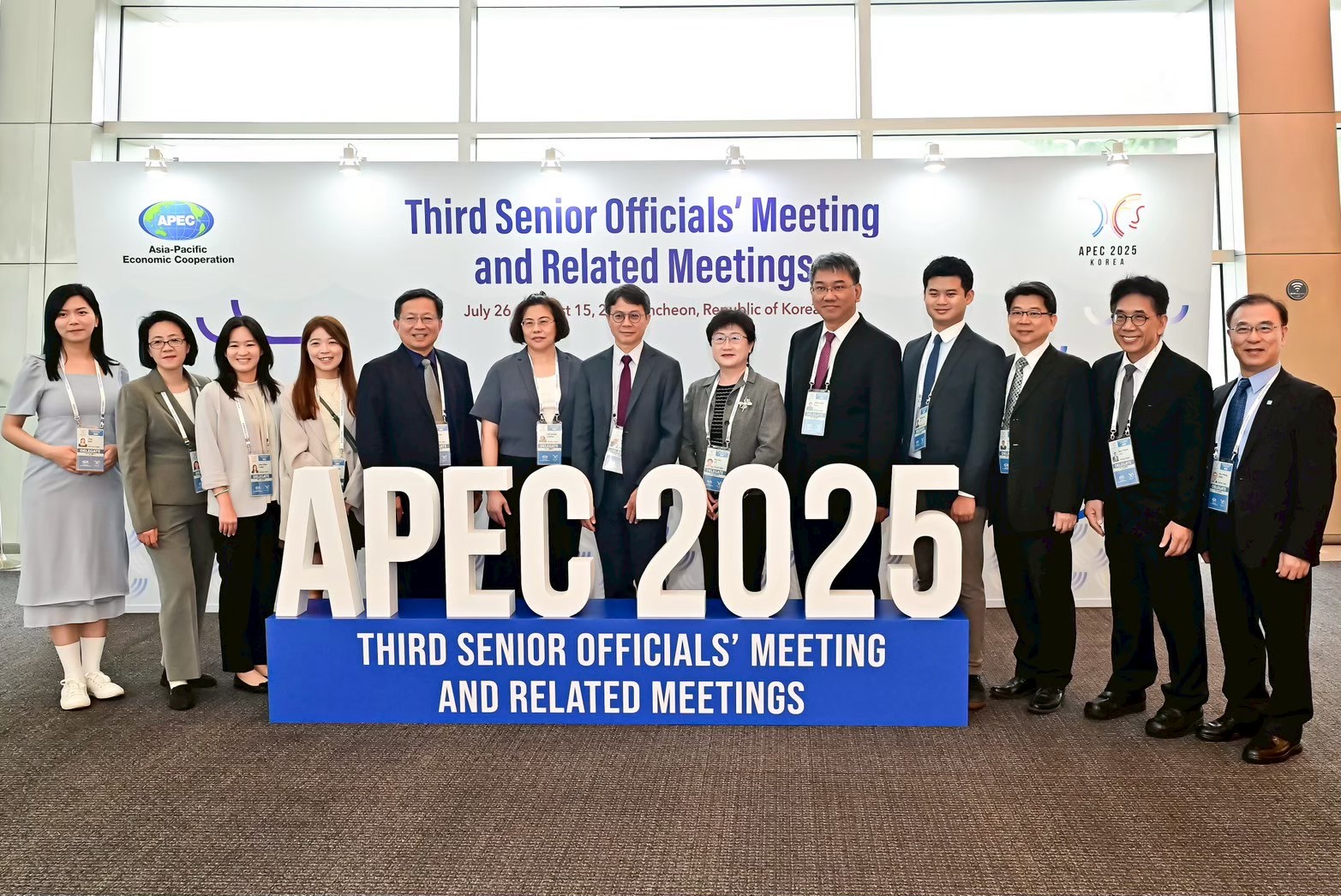
Right after the PPSTI 27, APEC-ACABT delegates held a strategic meeting to support the operations of Seoul Branch. As one of the center’s earliest oversea offices, the Seoul Branch is set to expand its influence from the capital to the Incheon metropolitan area, enhancing its organizational vitality and collaborative reach. A key focus of the discussion was the preparatory planning for the 21st International Conference of Biohydrogen and Bioprocesses (ABBS 2026), which will be hosted by the branch at Yonsei University from November 18 to 21, 2026. This expansion reflects ACABT’s commitment to deepening scientific exchange and building a robust green energy research network within the APEC community.